Health and Wellness
Why Sea Buckthorn Is Called the Himalayan Wonder Berry
01 Sept 2026 • Riddhi Jain
The nickname comes from a genuinely unusual combination: a berry that survives where almost nothing else fruits, and that happens to carry Omega 3, 6, 7 and 9 together, which very few plants do. Add Vitamin C, Vitamin E, carotenoids and flavonoids to that, and you can see why people started reaching for a big word.
Whether it deserves the word is a fair question, and it is worth answering carefully. Here is what is actually behind the reputation, and what the phrase should not be stretched to mean.
Where Sea Buckthorn actually grows
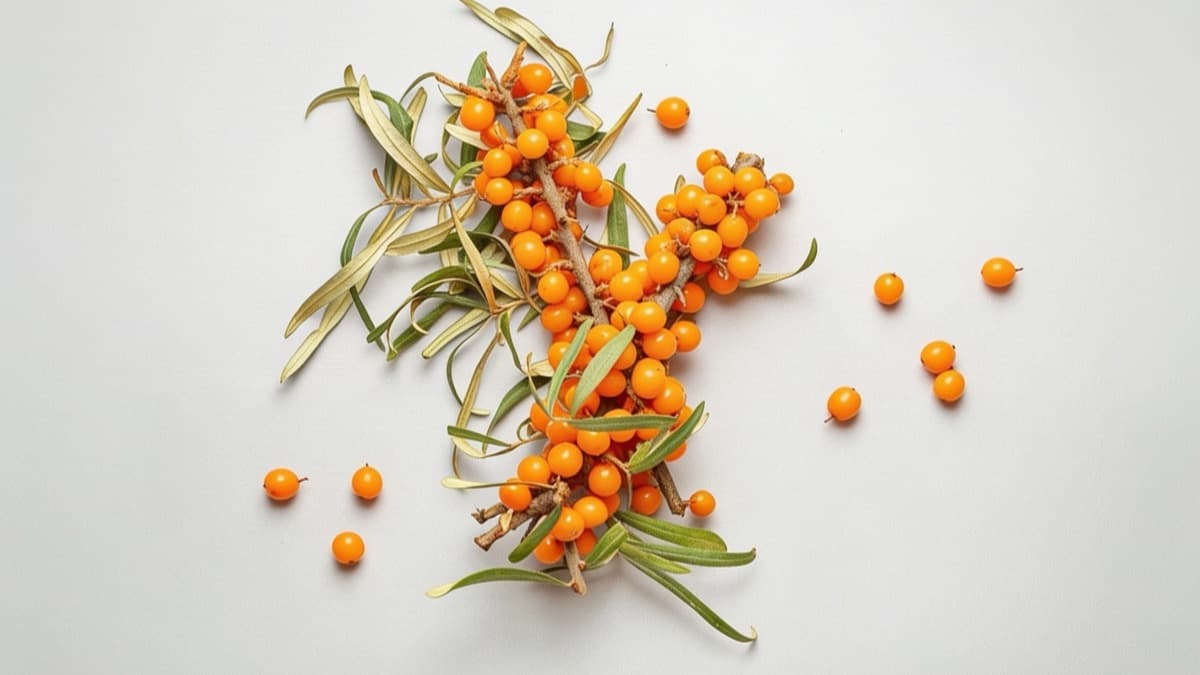
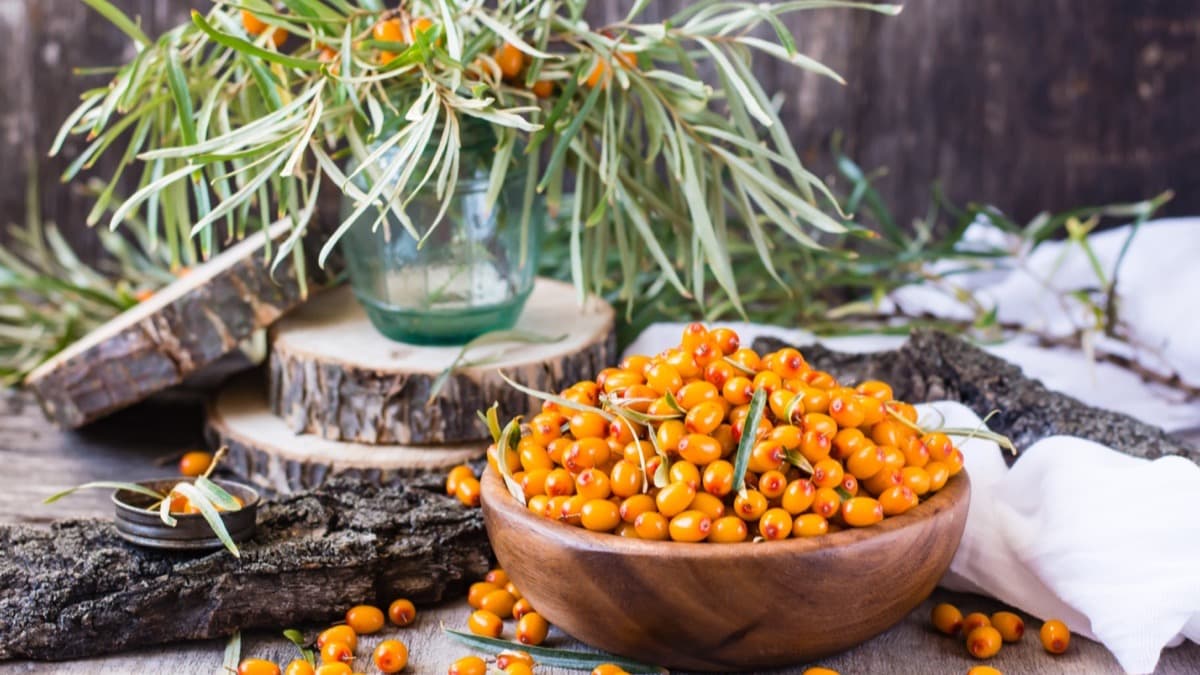
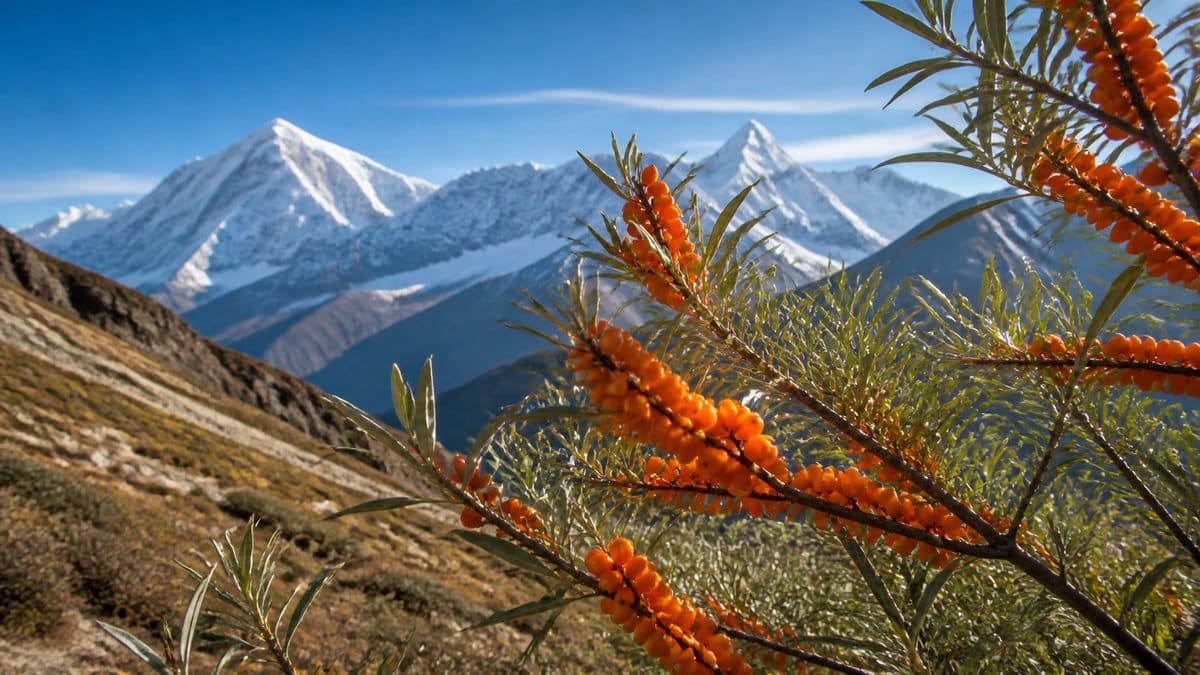
Sea buckthorn, botanically Hippophae rhamnoides, is a small orange berry that grows on hardy shrubs in cold, high-altitude regions. In India that means largely Ladakh, Himachal Pradesh and Spiti, in places where the winters are severe, the air is thin and the soil is not generous.
That habitat is half the story. This is a plant that holds onto riverbanks and cold desert slopes where the growing season is short and conditions are harsh. Communities in those regions have known the berry for a very long time, well before anyone outside them had a name for its nutrients.
Four omegas from one plant
Most plant foods give you one or two of the omega fatty acids. Sea buckthorn is one of very few plant sources that contain Omega 3, 6, 7 and 9 together, and that combination is the single most quoted reason for its reputation.
Omega-7, the uncommon one
Omega-7, or palmitoleic acid, is the one that draws the most attention, because it is genuinely rare in the plant world. It is a fatty acid the body uses in maintaining skin and mucous membranes, which is why sea buckthorn turns up so often in skincare as well as in food. Sea buckthorn is notably rich in it, and that scarcity elsewhere is a large part of why the berry is talked about at all.
Vitamins and plant compounds in Sea Buckthorn
Beyond the fatty acids, the berry is a good source of Vitamin C, a nutrient the body does not store well and therefore needs regularly from food. It also contains Vitamin E, carotenoids including beta-carotene, and flavonoids.
The carotenoids are visible: that strong orange colour is the pigment itself, not a dye. Flavonoids are the wider family of plant compounds found across colourful fruits. Together with the Vitamin C, they are the reason sea buckthorn sits comfortably in an everyday immunity routine alongside the other whole foods on your plate.
One more thing that gets overlooked: the berry is naturally low in sugar. That is unusual for a fruit dense enough in nutrients to be worth drinking daily, and it is why an unsweetened sea buckthorn juice does not taste like the sweet packaged juices most Indian households are used to.
Sea Buckthorn's long history in the Himalaya
Sea buckthorn has a long history of traditional use in Himalayan, Tibetan and Ayurvedic practice. In the high valleys it has been used as food and as a household remedy for generations, in a way that had nothing to do with laboratory analysis and everything to do with what grew where people lived.
That history is worth respecting without overstating. Traditional use tells you a plant has been part of human diets for a very long time and was valued by the people who knew it best. It is a reason to take the berry seriously, and it is not, by itself, a claim about anything.
From berry to bottle
Getting sea buckthorn out of the mountains is not simple. The shrubs are thorny, the terrain is difficult, the harvest window is short, and the work is largely done by hand by communities in those regions. That effort is part of why the berry stayed a local staple for so long before reaching the rest of the country.
What the taste tells you
The juice is sharply tangy and quite acidic. First-time drinkers often assume something is wrong. Nothing is: that sourness is characteristic of the berry, and it is what an unsweetened, undisguised sea buckthorn juice tastes like. Diluting it in water makes it pleasant rather than startling.
How it is handled
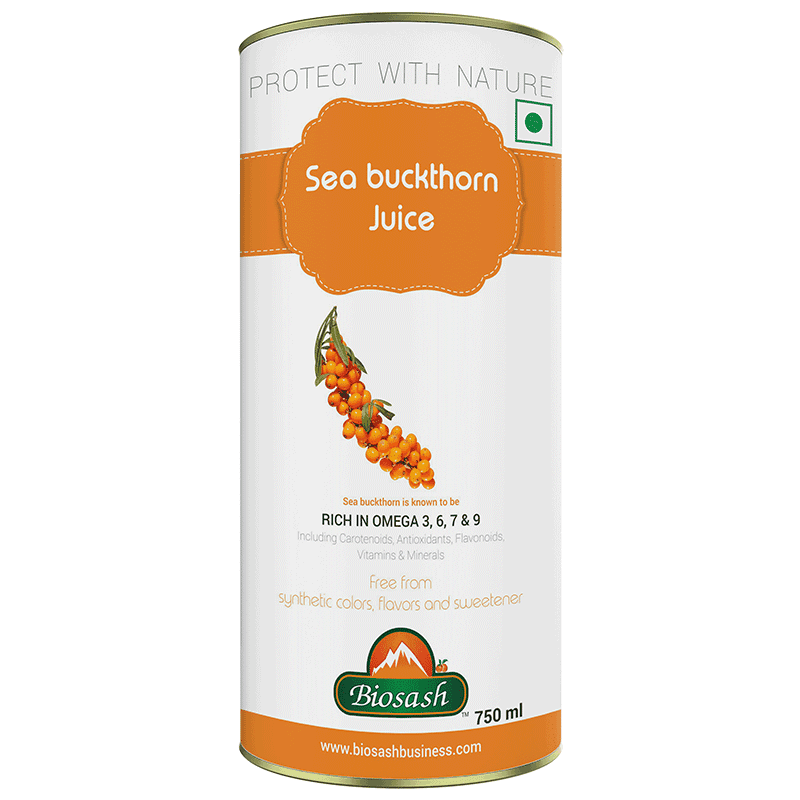
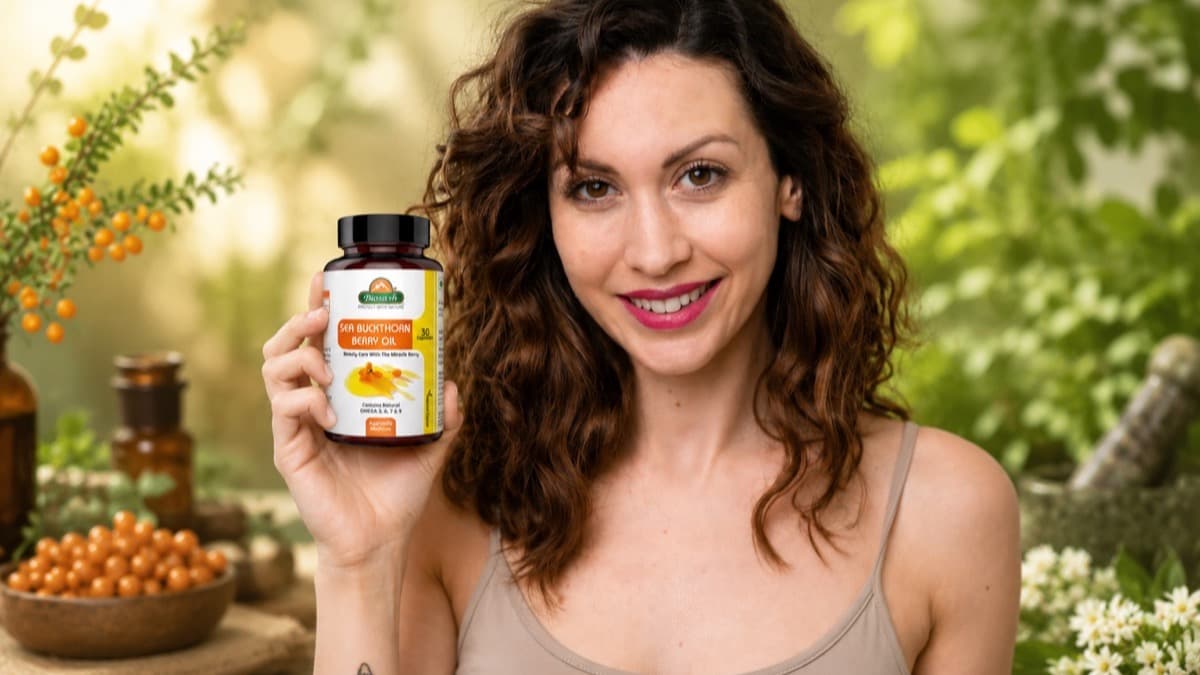
Biosash sources from Himalayan sea buckthorn and manufactures under WHO-GMP certified manufacturing, with batch testing at a NABL-accredited laboratory. The juices carry no added sugar and no artificial colours, flavours or sweeteners. You will find the berry across our health care range, in juices, capsules and other formats. Which of those formats suits you is a separate question worth thinking through before you buy.
There is a long run of work behind that. The herbal manufacturing facility was established in 1993 by the founder, the late Mr. Ramesh "Nico" Khanna, and the company went on to pioneer sea buckthorn products in India, later exporting them to the USA, the UK and the Middle East. The berry's reputation outside the Himalaya was not built in a season. It came from years of steady work on growing, sourcing and processing.
What "wonder berry" should and should not mean
Used well, the phrase is shorthand for a nutritionally unusual fruit from a difficult place, with a real history behind it. Used badly, it becomes a promise that no food can keep. Sea buckthorn is not a cure for anything, and any page that says otherwise is selling rather than explaining. If you have a health concern, your doctor is the right person to ask.
What it is, quite simply, is one of the more nutritionally interesting berries you can add to a daily routine, from one of the harshest places anything edible grows. That is enough of a story without embellishment.