Energy Drinks
Sea Buckthorn Juice vs Vitamin C Tablets: Whole Food or Supplement?
01 Sept 2026 • Riddhi Jain
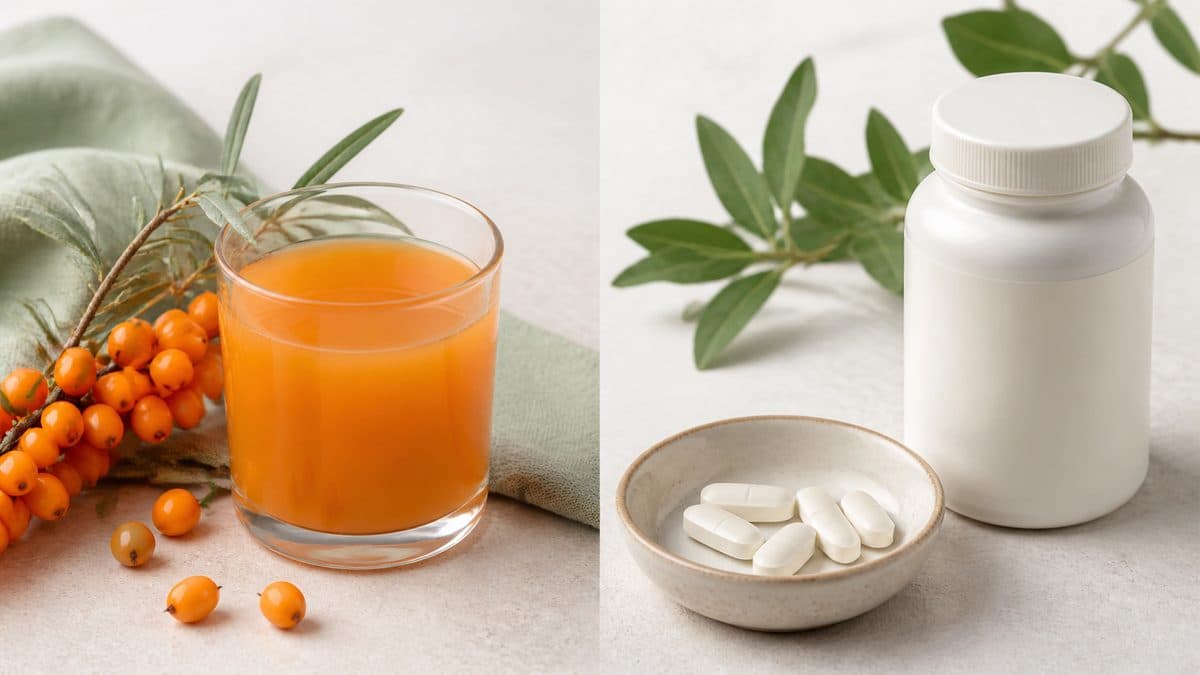
A Vitamin C tablet gives you one nutrient, in a known amount, cheaply and conveniently. Sea buckthorn juice gives you Vitamin C inside a whole fruit, along with everything else that fruit happens to carry.
Neither replaces the other, and the choice is less about which is superior than about what you are actually after. If a doctor has told you to take a specific supplement, take it. If you are looking to add a nutrient-rich food to how you eat, that is a different question with a different answer.
An isolated nutrient versus a whole food
A tablet is a manufacturing achievement: one compound, purified, pressed into a predictable form. The appeal is precision. You know exactly what you are taking, every single time, and there is no variation between one tablet and the next.
A fruit works differently. Its nutrients arrive together, in the proportions the plant grew them in, alongside the acids, pigments and fibres that came with them. There is natural variation from batch to batch and season to season. That variation is not a flaw. It is what eating food has always been like.
The practical difference is that a tablet answers a narrow question, while a food contributes broadly to your diet. Both are legitimate. They are just not interchangeable.
Set side by side, most of the difference is a matter of qualities rather than quantities:
| What you are comparing | Vitamin C tablet | Sea buckthorn juice |
|---|---|---|
| What it supplies | One isolated nutrient | A whole fruit, with Vitamin C as one part of it |
| Batch to batch | Uniform and predictable | Natural variation by season and harvest |
| Taste | Neutral, or deliberately sweetened | Sharply tangy and quite acidic |
| Storage | Shelf stable, travels easily | Refrigerate once opened, shake before pouring |
| What to read the label for | Added sugar, sweeteners, flavours, colours | Added sugar, and dilution with cheaper juices |
| Suits you when | A specific nutrient has been advised | You want a nutrient-dense food in the everyday diet |
What travels alongside vitamin C in sea buckthorn
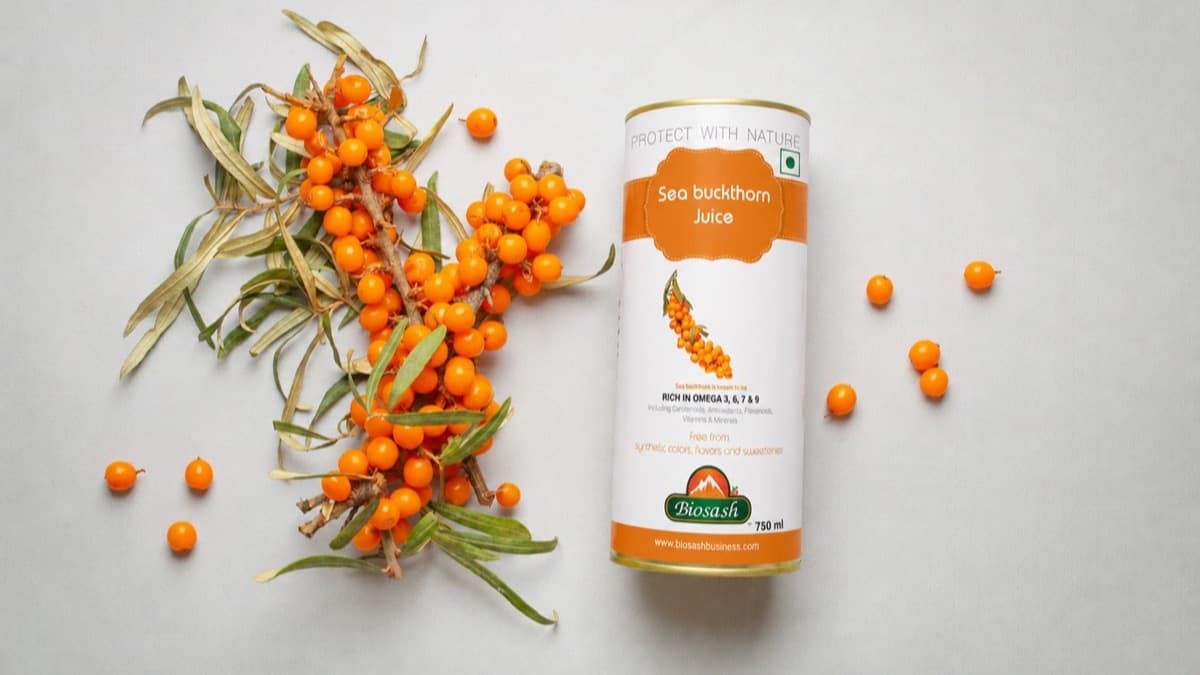
Sea buckthorn is a good source of Vitamin C, but that is only the headline. The berry also contains Vitamin E, carotenoids including beta-carotene, and flavonoids. On top of that it is one of very few plants carrying Omega 3, 6, 7 and 9 together, and it is notably rich in Omega-7, or palmitoleic acid, which is uncommon in the plant world.
None of that turns a juice into a multivitamin. What it does mean is that drinking sea buckthorn is not a way of taking Vitamin C. It is a way of eating a nutrient-dense fruit, and the Vitamin C is one part of a considerably longer list. The berry is also naturally low in sugar, which is unusual for something you drink.
Where tablets genuinely make sense
There is no need to be precious about this. Tablets have clear advantages, and pretending otherwise helps nobody:
- They are inexpensive and widely available in every chemist shop.
- The amount is fixed and stated, which matters if someone has advised a specific quantity.
- They keep well, travel well and need no refrigeration.
- They have no taste to negotiate with, or a deliberately pleasant one.
- If your doctor has recommended a supplement, a tablet is the sensible way to follow that advice.
That last point deserves a line of its own. Nothing in this article is a reason to stop or change anything a doctor has advised you to take. Certain nutrients also come up more often at particular life stages, and the ones women are most often told to watch are worth reading about separately. If you are unsure what you need, ask your own doctor rather than the internet.
Read what else is in the tablet
Chewable and effervescent formats have to be made palatable, and that usually means something has been added: sugar, sweeteners, flavours or colours, depending on the product. Some tablets are plain and some are essentially sweets with a nutrient in them, and the only way to tell is to turn the pack over and read the list.
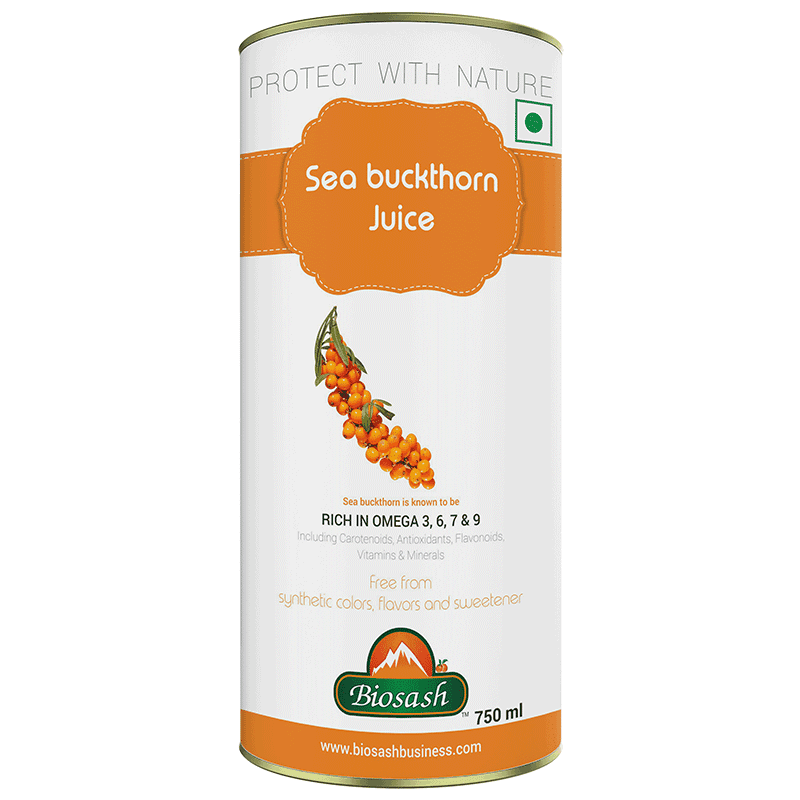
Apply the same scrutiny to juices. Many fruit juices sold as healthy are largely sugar. Biosash juices contain no added sugar and no artificial colours, flavours or sweeteners, and the fruit itself is naturally low in sugar. The juices sit within the nutritional juices range, and the ingredient list is short enough to read in a few seconds.
Why Sea Buckthorn juice tastes sharp, and how to drink it
Sea buckthorn juice is tangy and quite acidic, and there is no point pretending otherwise. That sourness is characteristic of the berry rather than a sign of a problem with the bottle. If you already drink the other tart Vitamin C fruit Indian kitchens know well, amla makes the closer comparison.
Biosash's stated usage is around 10 ml morning and evening, mixed into water, roughly twenty minutes before meals. A few things make it easier to live with:
- Dilute properly. A full glass of water, not a splash.
- Some people prefer it with or just after food rather than on an empty stomach.
- Rinse your mouth with plain water afterwards, as with any acidic drink.
- Refrigerate once opened, and shake before pouring.
Consistency beats the comparison
Whichever you pick, the thing that decides whether it was worth buying is whether you still use it in two months. A tablet you forget on a shelf and a bottle you abandon in the fridge amount to the same result.
Products of this kind appear under the immunity heading on the site, which is a browsing category to help you find things rather than a claim about what they will do. Sourcing and manufacturing are the details worth weighing instead. Biosash uses Himalayan sea buckthorn, manufactures under WHO-GMP certified conditions, and has batches tested at a NABL-accredited laboratory.
Choosing between a tablet and Sea Buckthorn juice
Use a tablet when you want a specific nutrient in a specific amount, particularly on advice. Use sea buckthorn juice when you want to add a nutrient-dense, low-sugar fruit to your everyday diet and are willing to make room for a sour drink. Framed that way, they stop competing with each other, and it becomes much clearer which one you were looking for in the first place.