Energy Drinks
Sea Buckthorn Juice and Healthy Lipid Balance
09 Sept 2026 • Amisha Surana
Lipid balance, in a nutrition sense, is about the kinds of fat you eat and how varied they are. It is not one number on a page, and no single juice, oil or capsule decides it for you.
Sea buckthorn enters this conversation for one honest reason. It is one of very few plants that carries Omega 3, 6, 7 and 9 together, which makes the small orange berry an unusual dietary source of fatty acids. This piece stays on the food side of that story: what those fats are, where they sit in the fruit, and how the juice fits into ordinary Indian eating.
What lipid balance means on a plate
Lipids is simply the umbrella word for fats and oils, whether they arrive from mustard oil, ghee, groundnuts, fish or fruit. When a nutritionist talks about balance, they usually mean variety: different fatty acids from different sources, rather than the same one repeated at every meal of the week.
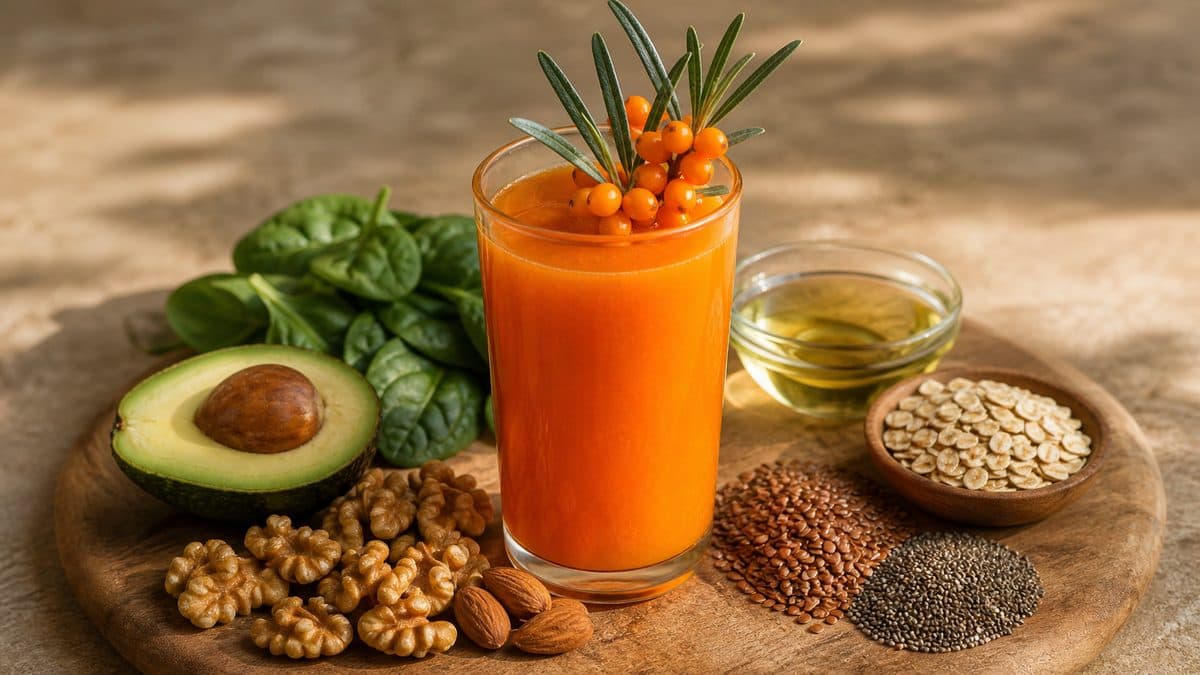
Most Indian kitchens run on one or two cooking mediums, chosen by region and by habit. That is not a problem in itself, but it does mean a fairly narrow spread of fatty acids across a month. Widening that range is generally a matter of adding foods rather than removing them: a handful of nuts, some seeds, and fat sources that are not already part of the daily rotation.
One thing is worth saying plainly before going further. If you are tracking anything on a lab report, that conversation belongs with your own doctor and not with a blog. Nothing here is about readings, medication or any medical condition.
Why sea buckthorn has an unusual fatty acid profile
Most fruits are not thought of as fat sources at all. Sea buckthorn is the exception, because oil sits both in the tiny seed and in the fleshy orange part of the berry, and those two fractions are not identical to each other.
Omega-7, the uncommon one
Omega-7, also called palmitoleic acid, is the fatty acid sea buckthorn is best known for. It is rare in the plant world, and that rarity is most of the reason the berry gets attention from anyone interested in fats. The body uses it in maintaining skin and mucous membranes, the soft linings that need to stay supple. That is a nutritional role, described plainly, and the claim goes no further than that. There is more to say about it than fits here, and the fatty acid itself is worth a closer look.
Three, six and nine in the same berry
Alongside Omega-7, the fruit carries Omega 3, 6 and 9. Getting all four from a single plant is genuinely unusual, since people normally assemble that set from several different foods. It does not turn sea buckthorn into a substitute for a varied diet. It does explain why the berry is treated as a fat source and not only as a vitamin source.
The berry is more than its fats
Fatty acids are only part of what is in there. Sea buckthorn is a good source of Vitamin C, and also contains Vitamin E, carotenoids including beta-carotene, and flavonoids. The orange colour is not decoration. It comes from the carotenoids themselves.
The fruit is also naturally low in sugar, which is unusual for a juice and one of the reasons people who avoid sweet drinks find it workable. The trade-off is taste. Sea buckthorn juice is genuinely tangy and quite acidic. That sourness is characteristic of the fruit, not a sign that something has gone wrong inside the bottle.
Fitting sea buckthorn juice into an ordinary day
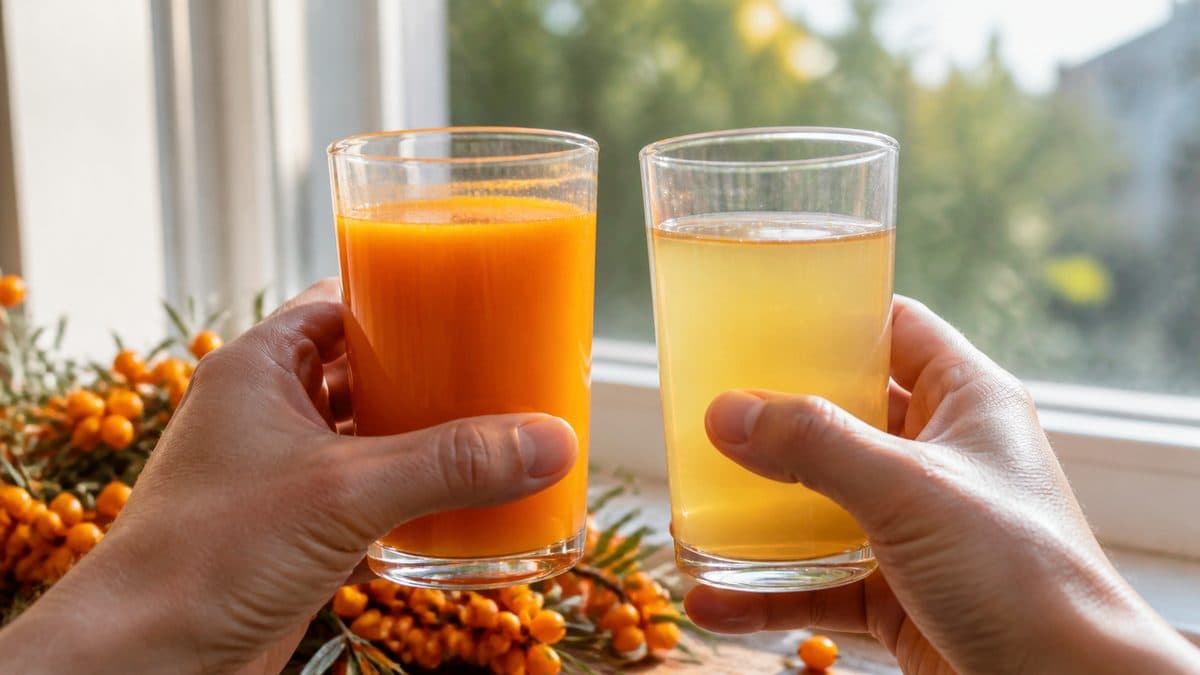
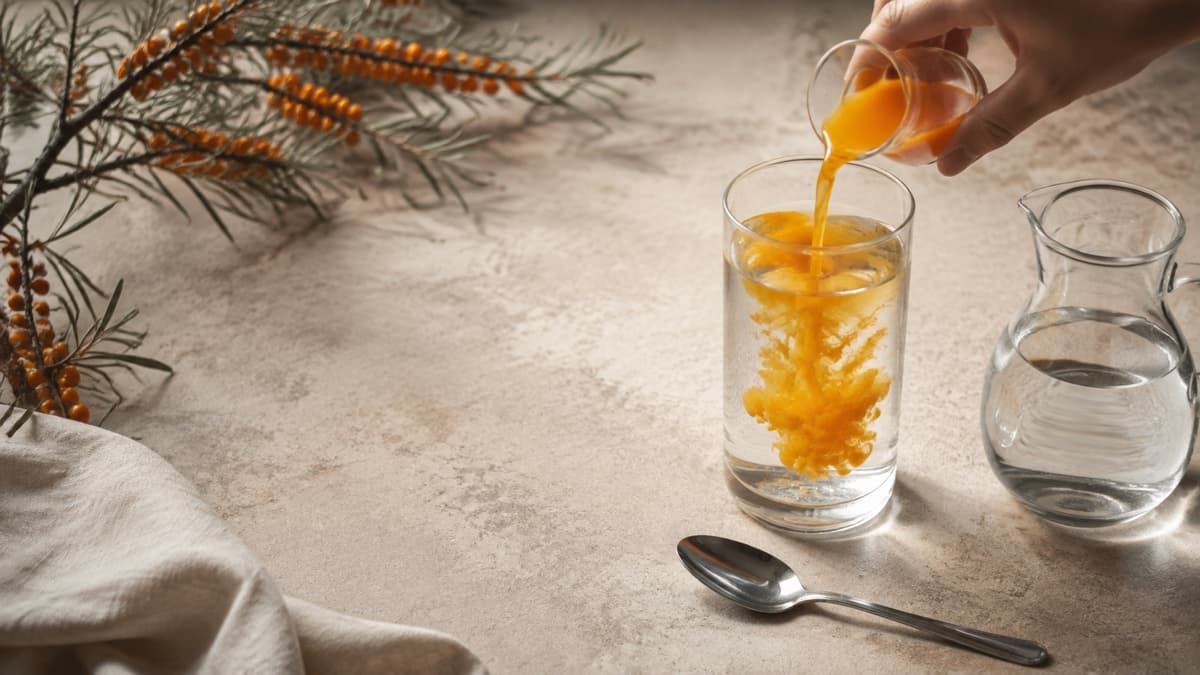
Biosash suggests around 10 ml morning and evening, mixed into water, roughly twenty minutes before meals. Diluting is not really optional for most people. Taken neat, the juice is sharp enough to make you wince.
A few habits that people tend to settle into:
- Mix it into a full glass of water rather than a small one, then adjust to taste from there.
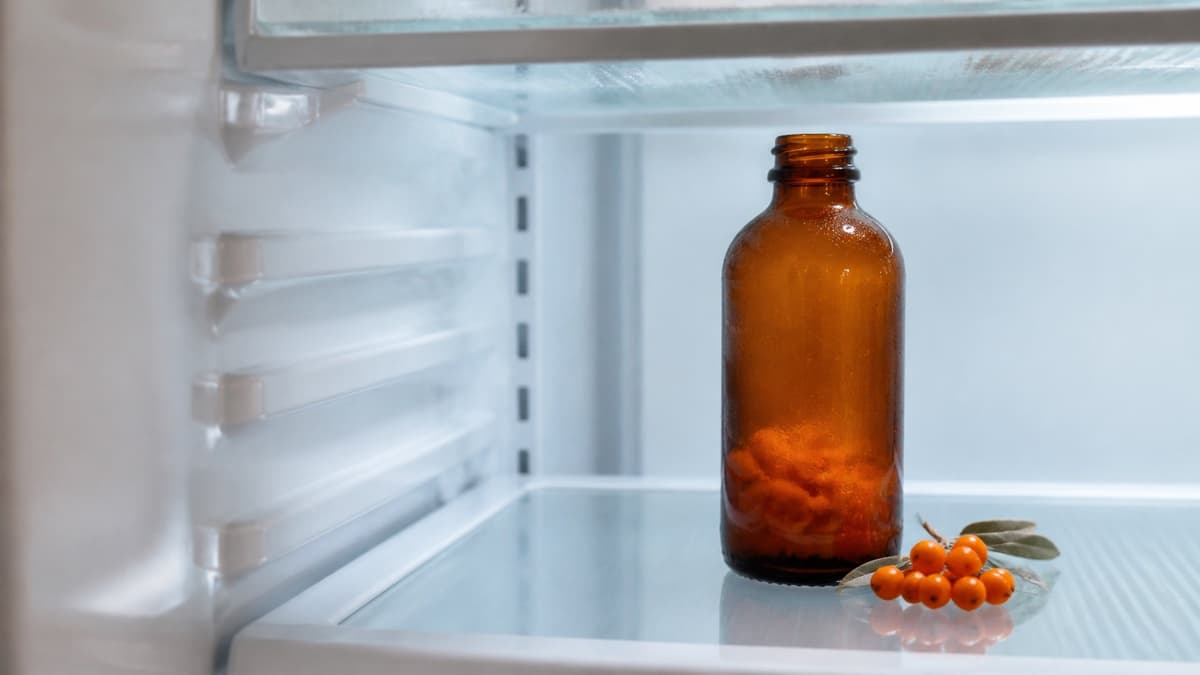
- Refrigerate the bottle once opened, and shake it before pouring, since the fruit solids settle.
- Attach it to something you already do, such as the water you drink before breakfast, so it does not depend on remembering.
- Rinse your mouth with plain water afterwards, as you would with any acidic drink.
The sea buckthorn juices sit within the nutritional juices range, alongside blends that combine the berry with other ingredients for variety and for a softer flavour.
Keeping expectations honest
A juice is a food. It contributes nutrients to a day of eating, and that is the whole of it. What actually shapes how you eat over a year is far less exciting: cooking at home more often, moving regularly, sleeping properly, and not asking one item to make up for everything else. That applies to the things people most often hope a bottle will settle for them, everyday energy included.
Biosash groups some of its products under a heart wellness heading. That is a way of organising a catalogue so people can browse by the kind of routine they have in mind. Read it as a shelf label rather than as a statement about what any bottle does.
Sourcing is worth a look too, if you are buying for the nutrition rather than the novelty. Biosash uses Himalayan sea buckthorn from the cold, high-altitude belt of Ladakh, Himachal Pradesh and Spiti, manufactures under WHO-GMP certified conditions, and has batches tested at a NABL-accredited laboratory. The juices carry no added sugar and no artificial colours, flavours or sweeteners.
The short version
Sea buckthorn is worth knowing about as a fat source because the combination it offers is rare in a plant, and the Omega-7 in particular is hard to find elsewhere. Added to a diet that already has some variety in it, it is a sensible and interesting inclusion. Asked to do the work of the entire diet, it will disappoint you, exactly as any single food would.